Canada — Home Improvement

Window Replacement and Energy-Efficient Glazing

A practical resource on selecting the right windows, understanding glazing technologies, and cutting heat loss in Canadian homes across all climate zones.

What this guide covers

From reading Energy Star ratings to comparing frame materials and installation approaches, the articles here focus on what homeowners in Canada need to know before replacing windows.

Glazing technologies

Double-pane, triple-pane, Low-E coatings, and gas fills — how each layer affects thermal performance and condensation control.

Frame materials

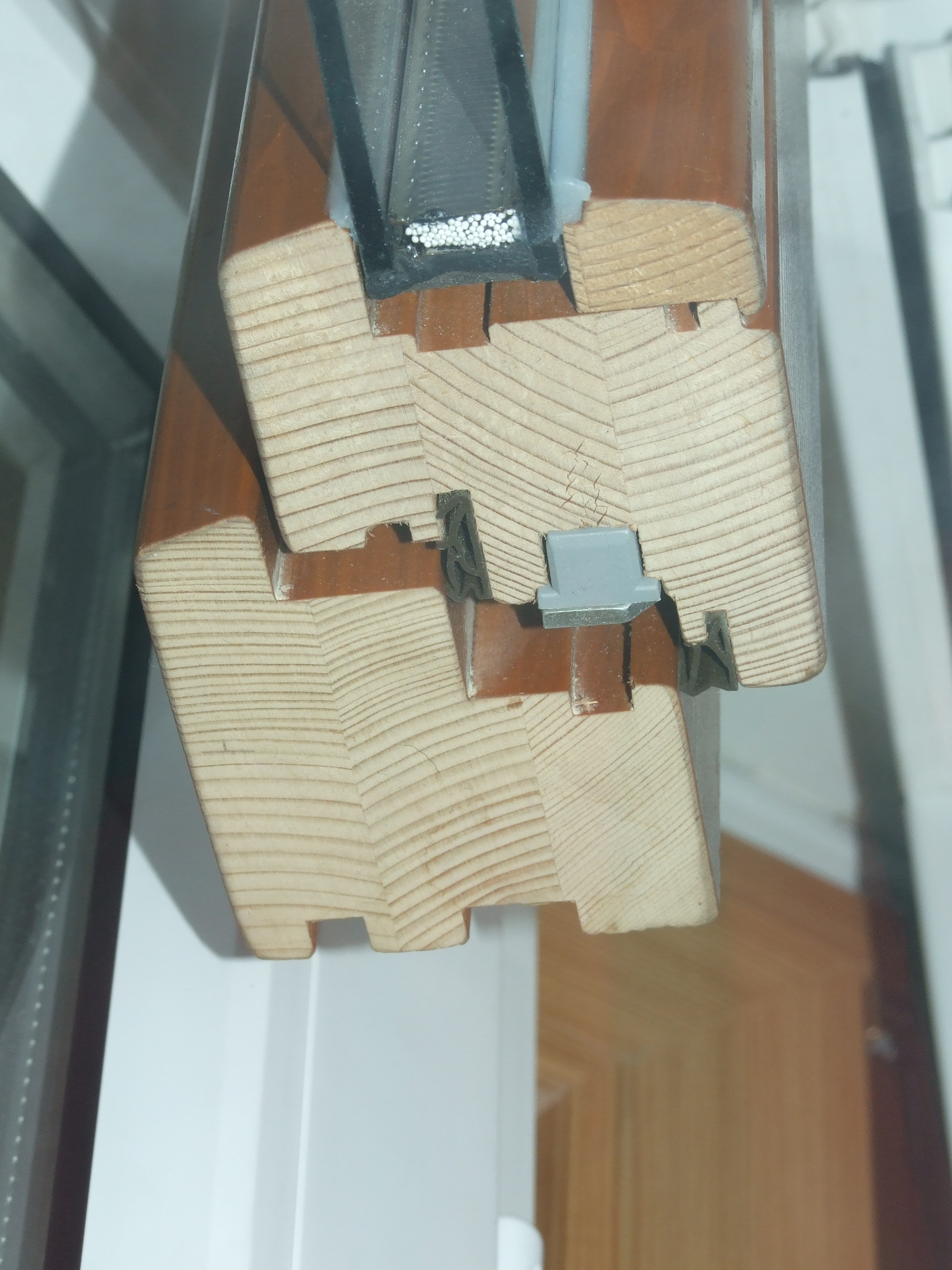
Vinyl, wood, fibreglass, and aluminum frames carry different thermal bridging characteristics and long-term maintenance requirements.

Canadian climate considerations

Window performance varies significantly between climate zones. What works in Victoria behaves differently in Edmonton or Montréal.

Energy ratings

U-factor, Solar Heat Gain Coefficient, and Energy Star zone designations help narrow down products suited to your region.

Rebates and programs

Federal and provincial programs such as the Canada Greener Homes Grant have offered incentives for qualifying window upgrades.

Installation quality

Air sealing and proper flashing around the rough opening determine much of a window's real-world thermal performance.


Recent guides

Vinyl window frame cross-section

Buying guide — May 2026

How to Choose Energy-Efficient Windows in Canada

A walkthrough of Energy Star zone maps, U-factor targets, and frame type trade-offs for Canadian buyers.

Read article →
Double glazed window cross-section diagram

Technical — May 2026

Understanding Glazing Options: Double vs Triple Pane

What the layers of glass, spacers, and gas fills actually do and when an upgrade to triple pane is worth it.

Read article →
Insulated window profile cross-section

Winter readiness — May 2026

Reducing Heat Loss Through Windows: A Winter Guide

Where heat escapes around and through windows, and what can be done before and after a full replacement.

Read article →
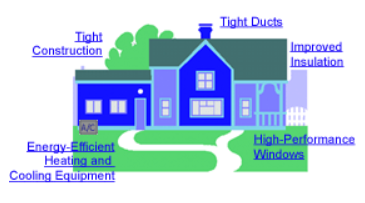
Diagram of home energy efficiency features

Windows and the building envelope

Windows are among the weakest thermal points in most Canadian homes. Even well-performing units transfer heat several times faster than an insulated wall section of the same area.

Upgrading from single-pane to double-pane Low-E glass typically reduces window heat loss substantially, though exact figures depend on installation quality, frame type, and orientation.

  • Orientation affects solar heat gain differently by season
  • Air sealing at the rough opening matters as much as the unit itself
  • Thermal bridging through frames adds to overall heat flow
  • Interior condensation signals insufficient surface temperature

Send a question

Use the form below for general enquiries about content on this site. This is not a contractor referral service.