The glass unit inside a window frame — called an insulating glass unit or IGU — is where most of the thermal performance difference between products lies. Understanding what each component does makes it easier to interpret product specifications and compare options without relying entirely on marketing descriptions.

What an insulating glass unit contains
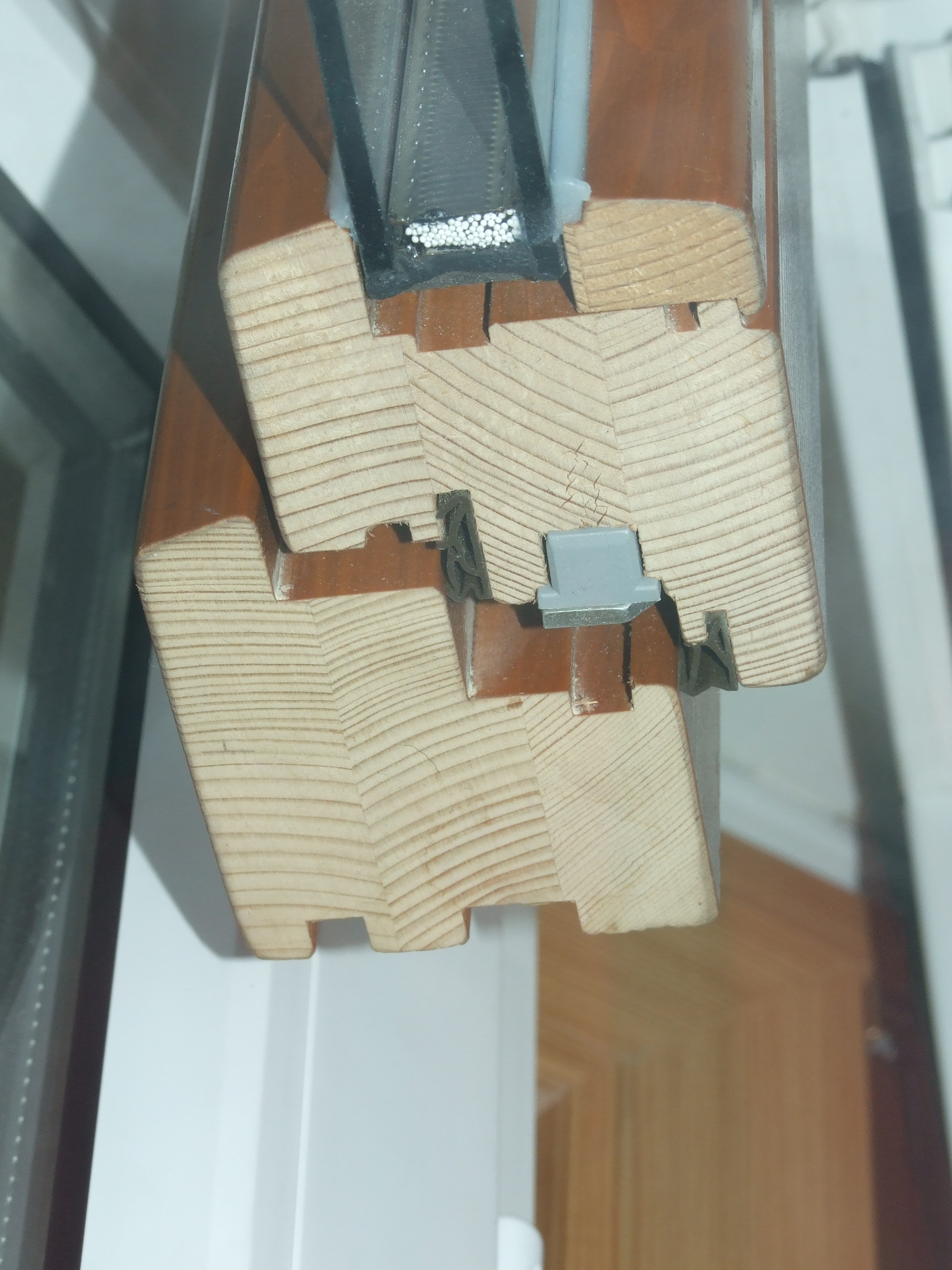
A standard double-pane IGU consists of two sheets of glass separated by a spacer that holds them at a fixed distance, sealing in a gas fill. Triple-pane units add a third pane and a second gas-filled cavity. Each element contributes to or detracts from overall thermal performance.
Components of an IGU
- Glass panes: Float glass, sometimes with applied coatings on specific surfaces. More panes means more layers of resistance to heat transfer.
- Spacer: Holds panes apart and contains the desiccant that absorbs residual moisture inside the cavity. Conducts heat at the edge — warm-edge spacers reduce this.
- Gas fill: Argon or krypton gas is denser than air, reducing convective heat transfer across the cavity.
- Seals: Primary and secondary seals prevent gas escape and moisture infiltration over the product's service life.
Low-E coatings explained
Low-emissivity (Low-E) coatings are thin metallic layers applied to one or more glass surfaces within the unit. They reduce radiant heat transfer across the cavity by reflecting long-wave infrared radiation back toward its source.
A surface inside a heated Canadian home radiates heat toward the cold glass surface. Without a Low-E coating, much of that radiation passes through the glass. With a Low-E coating positioned on surface 2 (the interior face of the outer pane in a double-pane unit) or surface 3, a higher proportion of that radiation is reflected back into the room.
Two broad categories exist:
- Hard-coat (pyrolytic) Low-E: Applied during glass manufacture. Durable but lower performance than soft-coat. Can be used in single-pane exposed applications.
- Soft-coat (sputter-coated) Low-E: Applied in a vacuum process after glass manufacture. Higher performance, lower emissivity, but must be encapsulated within a sealed IGU because it degrades when exposed to air.
Gas fills: argon and krypton
Air inside an IGU cavity transfers heat through convection and conduction. Replacing it with a denser noble gas reduces convective transfer. Argon is the standard choice — it is widely available, inexpensive, and provides meaningful improvement over air. Krypton performs somewhat better than argon and allows narrower cavities, making it useful in triple-pane units where adding cavity width is impractical, but it costs significantly more.
Gas fill percentage degrades slowly over time as seals age. A well-manufactured unit with quality seals retains the majority of its fill after many years of service. Units with visible seal failure — evidenced by fogging or condensation inside the cavity — have lost their fill and their thermal advantage.
Double pane versus triple pane
Triple-pane windows offer lower U-factors than equivalent double-pane units because they add a second gas-filled cavity and a third glass surface for Low-E coating placement. The trade-offs are weight, cost, and in some cases visible light transmission.
Whether the additional investment makes sense depends on several factors:
- Climate zone: In Energy Star Zone 3 (the coldest Canadian zone), triple-pane often reaches thresholds that better-quality double-pane cannot
- Window area: Larger glazed areas mean more total heat loss, making performance differences more significant
- Orientation and shading: Triple-pane units with higher pane count can reduce solar heat gain unless specifically selected to avoid this
- Budget and payback period: The cost difference between double and triple pane is substantial; payback through reduced heating costs takes time
Edge effects and warm-edge spacers
The edge of a glazing unit performs worse than its centre. The spacer conducts heat more readily than glass, and this creates a zone of poor performance around the perimeter. Windows are rated using a whole-unit average that includes edges, so the spacer type affects the published U-factor.
Warm-edge spacers made from structural foam, fibreglass, or stainless steel with polymer thermal breaks conduct less heat than traditional aluminum spacers. Products labelled as using warm-edge technology typically perform better at the edge and score lower whole-unit U-factors for the same centre-of-glass performance.
What condensation inside the unit means
Moisture forming between the panes of a sealed IGU indicates seal failure. The desiccant inside the spacer has become saturated and can no longer absorb the moisture entering through the degraded seal. At this point the insulating gas has been replaced by humid air, and the unit's thermal and optical performance has been substantially reduced. Resealing is generally not economical; replacement of the entire IGU or window is the standard approach.
Sources: National Research Council Canada, Natural Resources Canada