Windows are the primary source of heat loss in most Canadian homes on a per-square-metre basis. Even modern double-pane units allow considerably more heat through than an insulated wall section of the same area. Understanding where and how heat moves through and around windows helps prioritise what to address — whether that means interim measures for existing windows or specifications for replacements.
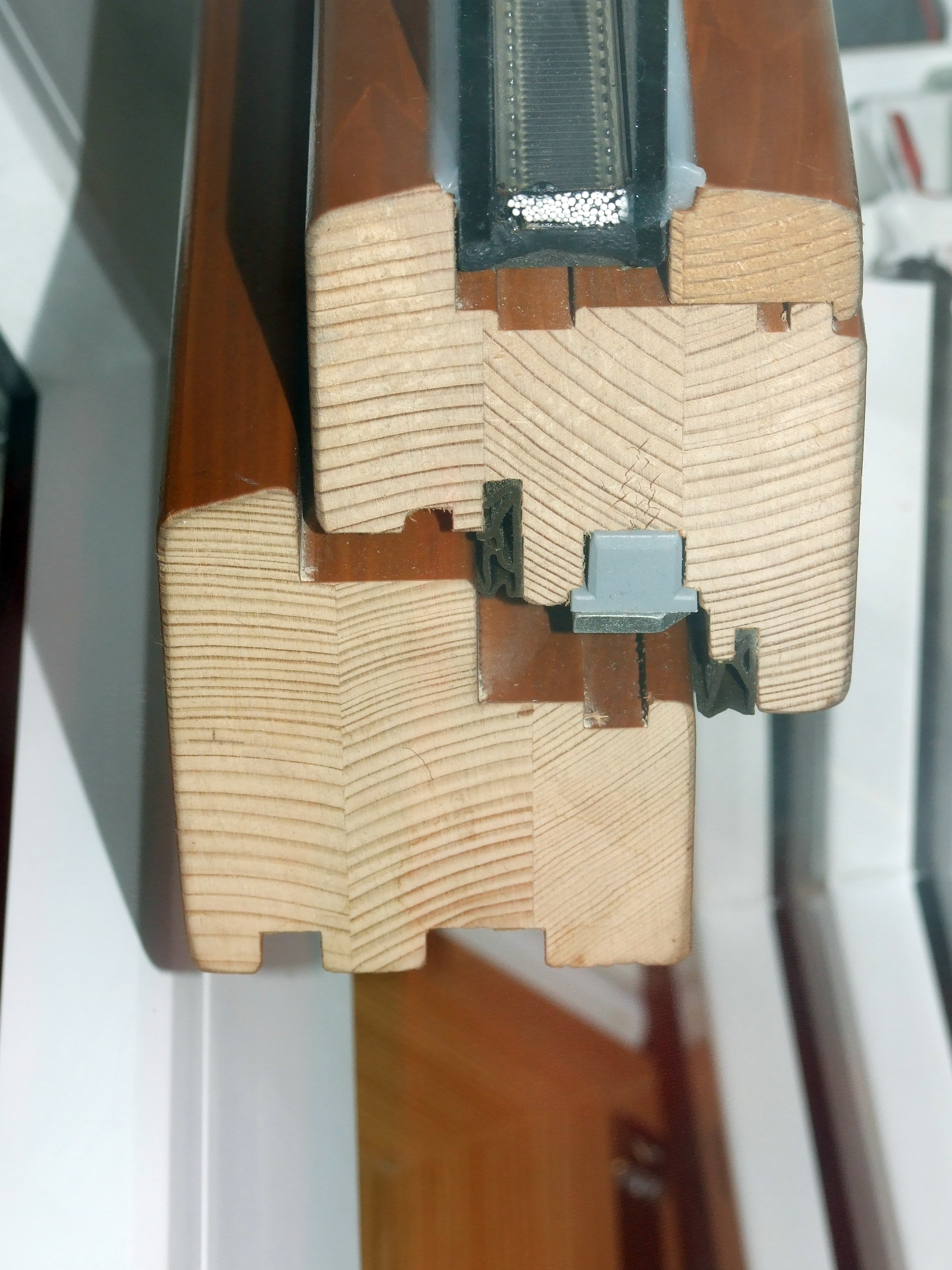
The three heat transfer mechanisms
Heat moves through and around windows via three mechanisms: conduction, convection, and radiation. Window specifications address all three, but in different ways.
Conduction
Heat conducts directly through solid materials — glass, frame, and spacer. Materials with higher thermal conductivity (aluminum, for example) transfer heat more readily than materials with lower conductivity (wood, vinyl, foam). Frame design affects this significantly: multi-chamber vinyl profiles trap air internally, reducing conduction through the frame.
Convection
Air movement transfers heat. Inside a sealed glazing cavity, convection cells form between the warm inner pane and cold outer pane. Gas fills (argon, krypton) are denser than air, which suppresses these convection currents. On the interior side of the window, cold glass surfaces pull warm room air downward, creating a cold draft near the window — often felt as a chill when sitting nearby even when the window is sealed against air infiltration.
Radiation
Surfaces at any temperature emit infrared radiation. Warm interior surfaces — furniture, walls, occupants — radiate heat toward the cold glass surface. Without Low-E coatings, much of this radiation passes through the glass to the exterior. Low-E coatings reflect a portion back toward the interior.
Air infiltration: a separate issue
Heat transfer through the glass and frame is distinct from air movement through gaps around the window. Drafts from poorly sealed windows can account for meaningful portions of a home's total heat loss and often cause more immediate discomfort than conductive or radiative losses.
Common locations for air infiltration include:
- The joint between the window frame and the rough opening
- Around the operable sash in casement or awning windows when the seal degrades
- Through the sill area where the window meets the interior trim and framing
- Around older weatherstripping that has compressed or cracked
Identifying infiltration points with a lit incense stick or a thermal camera on a cold day helps focus sealing efforts. Air sealing with caulk at the interior trim joint and with spray foam or backer rod in the rough opening gap addresses the most common locations.
Interim measures for existing windows
Full window replacement is not always the immediate option — cost, tenant situations, heritage restrictions, or seasonal timing can delay it. Several interim approaches reduce heat loss without replacing the unit:
Options for existing windows
- Interior film kits: Plastic film stretched over the interior opening and shrunk tight with a hair dryer creates an additional air layer. Effectiveness is limited but cost is low. Film kits are sold by hardware retailers across Canada.
- Weatherstripping replacement: Replacing worn weatherstripping on operable windows restores the seal that prevents air movement around the sash. Foam tape, V-strip, and door sweep types are available for different gap geometries.
- Interior caulking: Re-caulking the joint between the window frame and the interior drywall or trim stops air movement at the interior perimeter. Silicone-based caulks remain flexible through temperature cycles.
- Thermal curtains: Insulating curtains or cellular blinds reduce radiative and convective heat loss from the interior glass surface. They have no effect on air infiltration but can reduce cold radiation from the glass surface.
- Interior storm panels: Acrylic or polycarbonate panels fitted to the interior of single-pane or degraded double-pane windows add an air gap. This is a more substantial intervention than film kits and provides better results.
What condensation patterns indicate
Where condensation forms on or around a window provides information about what is happening thermally:
- Condensation on the interior glass surface: The glass surface temperature is below the dew point of the interior air. This indicates high interior humidity, a cold glass surface (low-performance glazing), or both. Improving glazing performance raises the interior surface temperature; reducing interior humidity lowers the dew point.
- Condensation between the panes: The IGU seal has failed. The unit requires replacement.
- Condensation on the interior frame or surrounding wall: Cold air is reaching the interior surface through frame thermal bridging or through gaps in the air barrier. Air sealing and potentially improved framing insulation at the rough opening address this.
- Condensation on the exterior glass surface: This is normal behaviour during certain weather conditions, not a sign of a problem. It occurs when the exterior glass surface cools below the outdoor dew point.
When replacement is the practical choice
Interim measures slow heat loss but do not bring a single-pane or failed double-pane window to the thermal performance of a current Energy Star certified product. Replacement becomes the more effective option when:
- The IGU seal has failed (fogging between panes)
- The frame has warped, cracked, or rotted to the point where weatherstripping cannot seal properly
- Multiple windows are affected and the cumulative heat loss is substantial
- Current incentive programs cover a portion of replacement costs
In cases where replacement is planned, the quality of installation — particularly air sealing at the rough opening — determines a significant portion of the real-world thermal performance the new window achieves.
Sources: Natural Resources Canada, National Research Council Canada